
Women belong in the record.
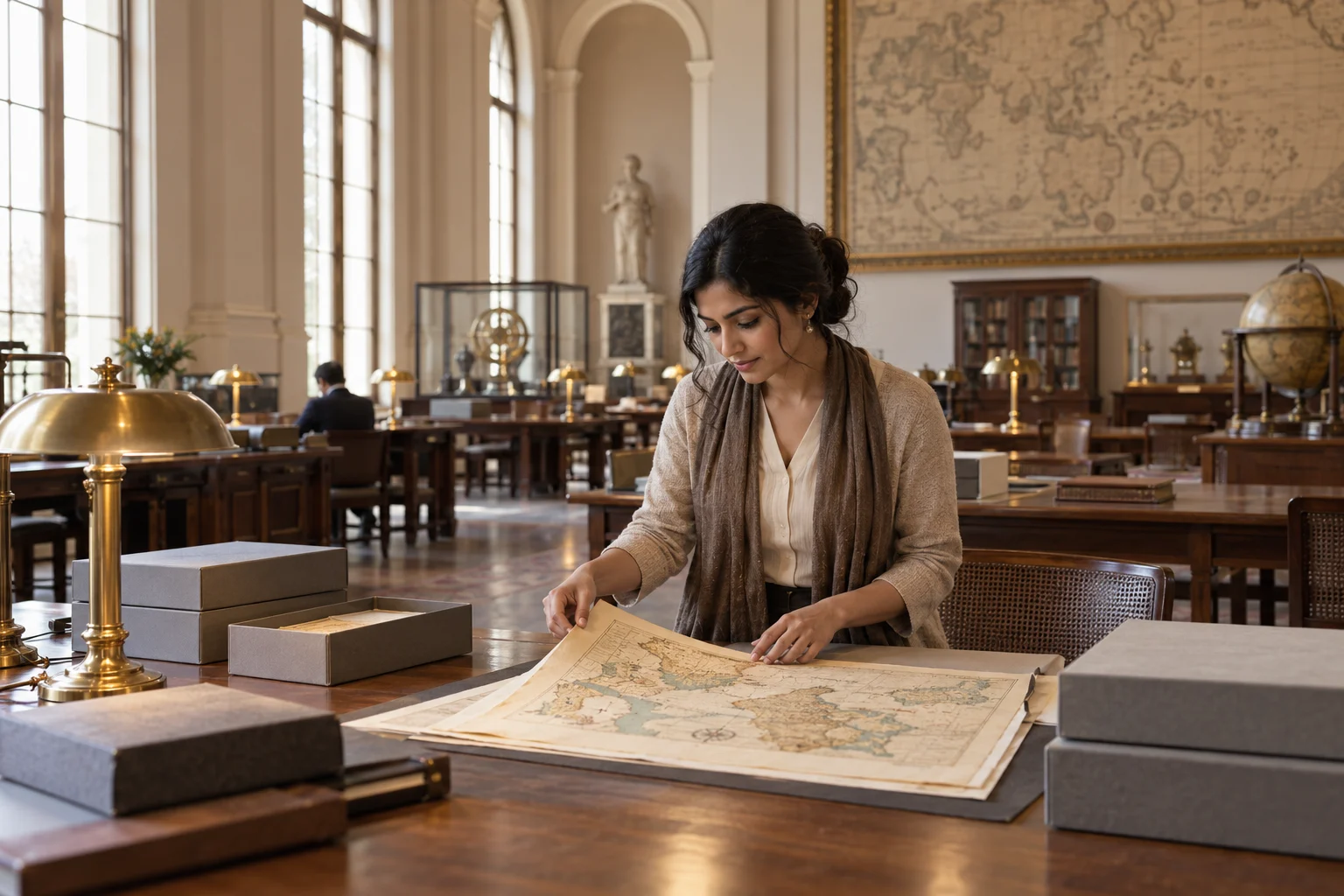
The archive becomes richer when we ask who is present, who is missing, and whose work made the next chapter possible.
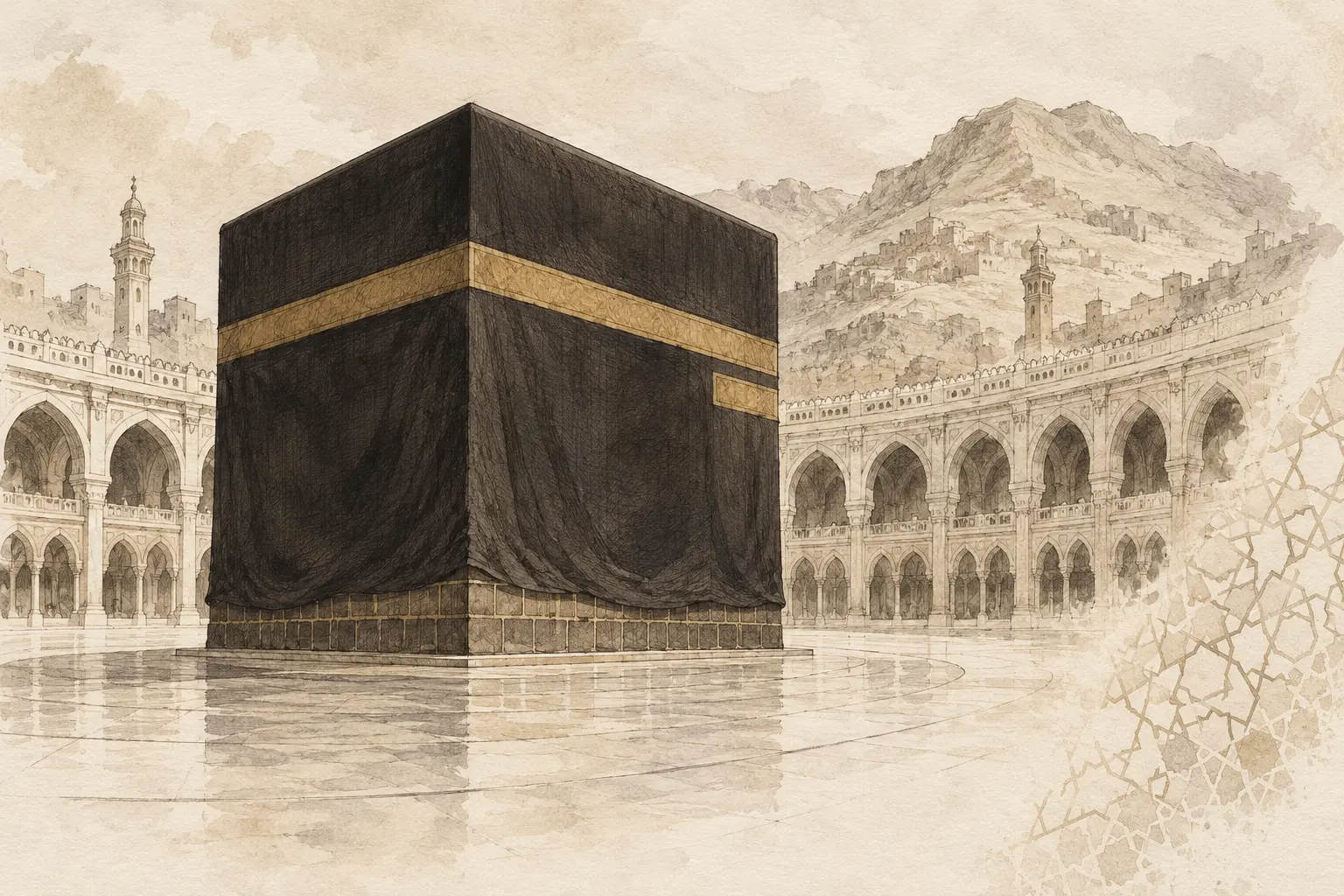
Early Islamic history: enterprise and knowledge.
Khadijah bint Khuwaylid is remembered in Islamic tradition as a merchant and as a source of support to the Prophet Muhammad. Her story brings economic agency and personal commitment into the same frame.
Aisha bint Abu Bakr holds an important place in Sunni scholarly tradition as a teacher and transmitter of hadith. Her example draws attention to women's participation in the preservation and discussion of religious knowledge. Historical and religious interpretations differ, and responsible writing should respect that complexity.
South Asian history: opening the classroom.
In 1848, Savitribai Phule and Jyotirao Phule established a girls' school at Bhide Wada in Pune. Her educational work is an important part of the history of efforts to challenge exclusion based on gender and caste.
The value of remembering such work is not only to celebrate an individual. It is also to notice the institutions, partnerships and persistence required to widen access to learning. An open door usually has a history behind it.
Savitribai Phule — references ↗

Western history: making intellectual work visible.
Marie Curie received the Nobel Prize in Physics in 1903 and the Nobel Prize in Chemistry in 1911. Her scientific career is one entry point into a broader history of women's contributions to research.
In the United States, Katherine Johnson's mathematical work contributed to early human spaceflight. NASA's account makes clear that a mission's public achievement rests on many kinds of expertise.
Read history with care.
These short introductions are starting points for further reading, not a complete history. Famous names should lead us toward a wider record of teachers, workers, caregivers, artists and organizers whose contributions were less consistently documented.
Historical subjects discussed here are not Miss Wonder honorees. An educational profile does not confer a title or imply an endorsement by the subject, her family or an associated institution.